Logistics & 3PL
Logistics and 3PL operations run on constant variability — shifting product mixes, multi-client demands, and unpredictable volume surges. Conveyors, merges, diverts, and sortation systems must perform reliably under changing loads, packaging types, and routing conditions. TinMan Systems delivers the real-time sensing and AI-driven diagnostics needed to maintain uptime, protect throughput, and ensure consistent performance across diverse logistics environments.
Operational Realities in Logistics
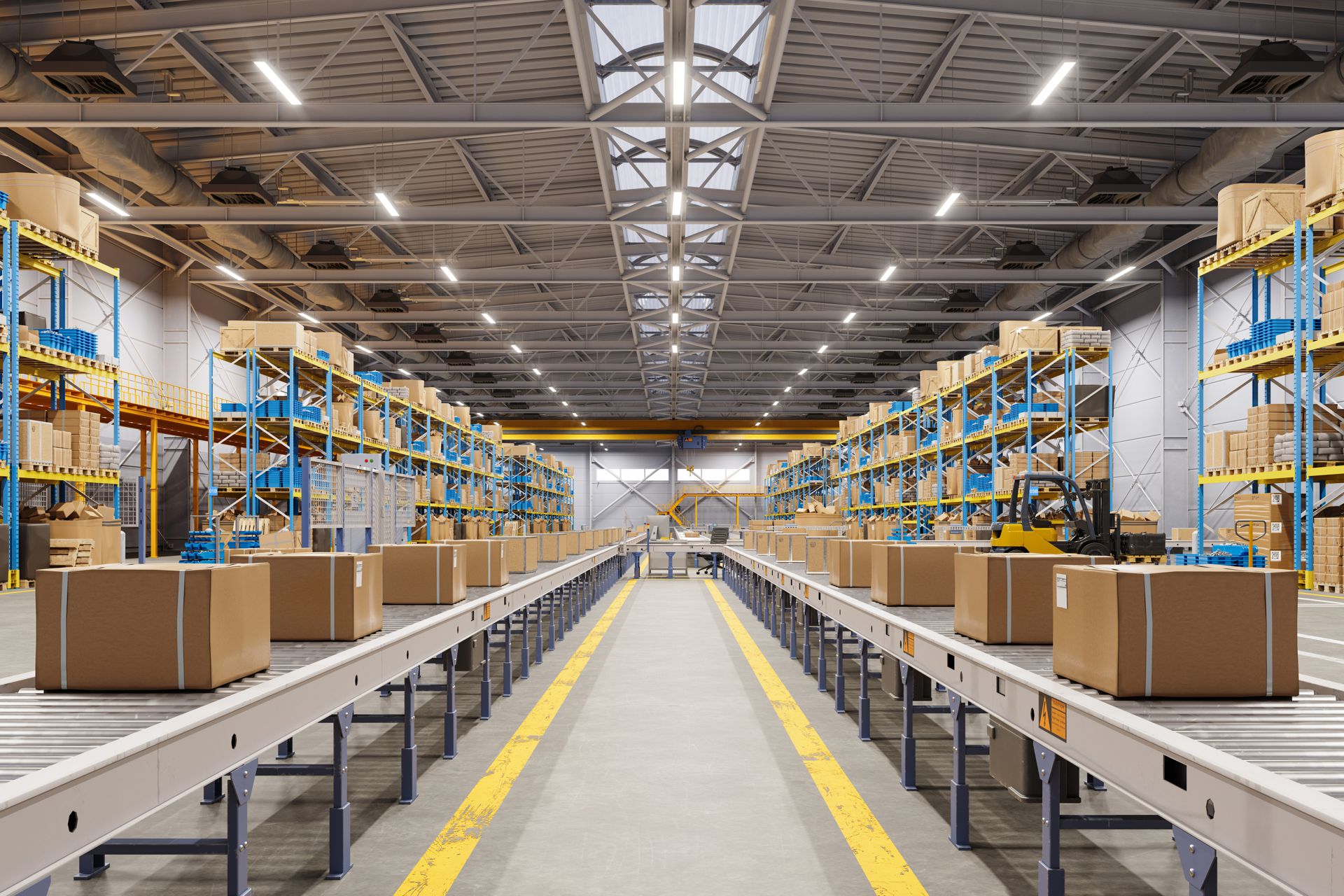
Logistics facilities operate under intense pressure: multi-client SLAs, unpredictable inbound and outbound volumes, and constant SKU variability. Equipment must adapt to cartons, polybags, totes, padded mailers, and irregular items — all moving at high speed through dense conveyor and sortation networks.
Mechanical stress is amplified by the diversity of product flow:
- Merges and diverts experience alignment drift as mixed-size cartons and polybags create uneven side loads.
- Roller conveyors develop uneven wear from inconsistent weight distribution and shifting center-of-mass profiles.
- Belt conveyors struggle with tension drift caused by variable product geometry and inconsistent loading.
- High-speed sorters endure cycle fatigue from continuous routing demands and unpredictable item spacing.
- Accumulation zones generate backpressure that stresses motors, belts, bearings, and drive components.
These realities create a mechanically volatile environment where early detection is essential to preventing jams, misroutes, and SLA-impacting delays.
How Logistics Differs from Retail & CPG
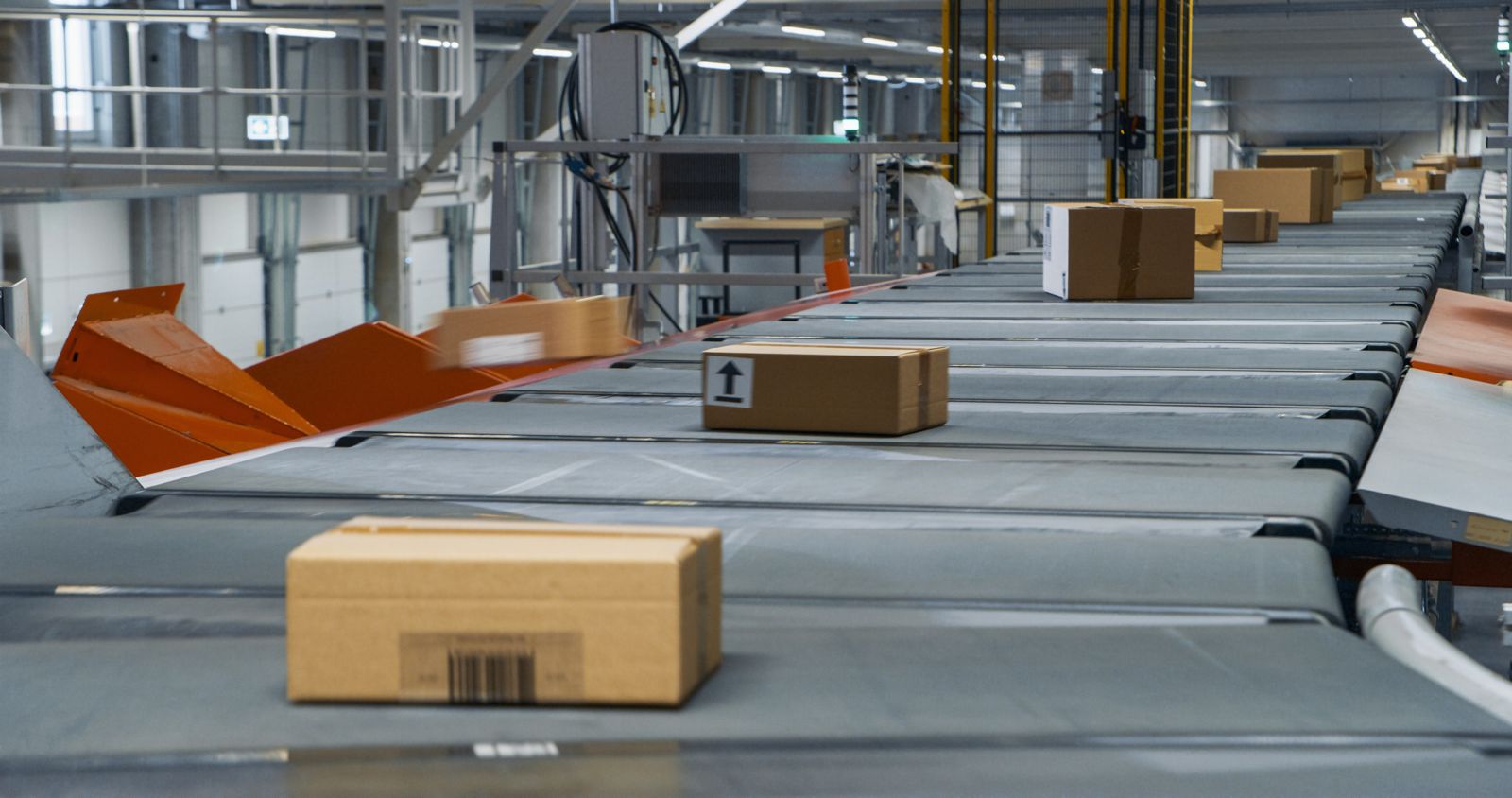
While retail and CPG lines operate with relatively predictable product dimensions and controlled flow, logistics environments face a level of variability unmatched in any other sector. This variability fundamentally changes the mechanical stresses placed on conveyors and sortation systems.
- Unpredictable item geometry — Polybags, soft goods, and irregular items behave unpredictably on rollers and belts, increasing drag, skew, and jam potential.
- Mixed-weight loading — Lightweight mailers and heavy cartons share the same conveyor paths, producing uneven roller loading and inconsistent belt tension.
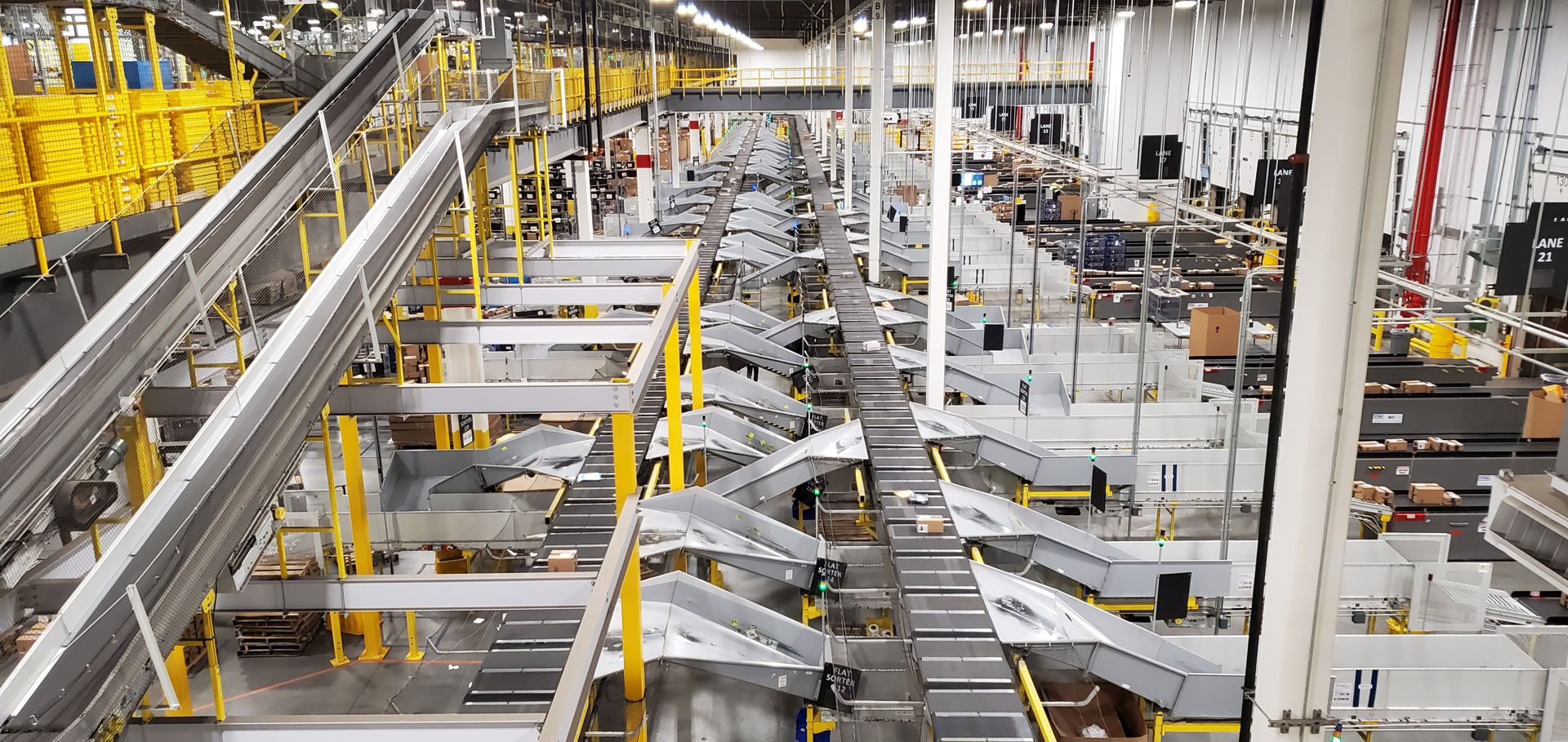
- High-speed routing — Sorters in logistics environments cycle far more frequently than in retail or CPG, accelerating wear on bearings, motors, and diverter mechanisms.
- Multi-client variability — Each client introduces different packaging types, carton qualities, and labeling standards, increasing the likelihood of misreads and misroutes.
- Peak-driven stress — Seasonal surges, flash sales, and unpredictable inbound spikes create sudden mechanical load changes that retail and CPG lines rarely experience.
These differences make logistics one of the most mechanically demanding environments in automation — and one where TinMan’s real-time sensing provides a critical advantage.
Common Failure Modes
Logistics systems must perform reliably despite constant variability. Common mechanical issues include:
- Jam-induced downtime from irregular items, polybags, or misaligned merges.
- Belt slippage caused by tension drift, contamination, or inconsistent loading.
- Motor overload during peak volume surges or heavy backpressure conditions.
- Roller and bearing fatigue from mixed-weight cartons and uneven distribution.
- Sorter misfires due to cycle wear, timing drift, or inconsistent item spacing.
- Sensor misreads caused by reflective packaging, polybags, or irregular shapes.
These issues often develop gradually and remain hidden — until they cause SLA failures, missed dispatch windows, or operational bottlenecks.

How TinMan Detects These Issues
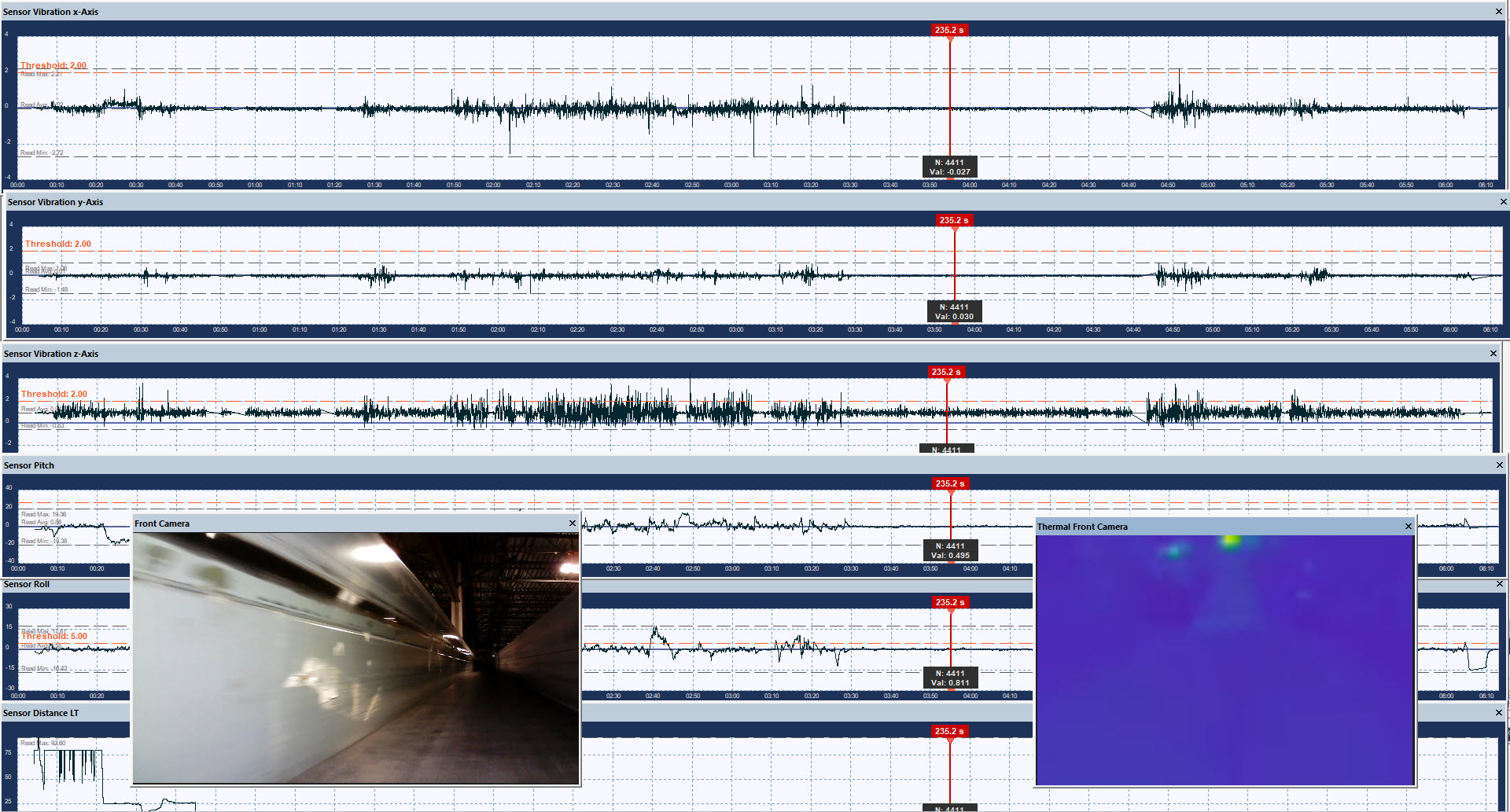
TinMan’s multi-sensor fusion engine continuously monitors vibration, temperature, audio, orientation, and positional data from every moving component. By comparing each device against rolling group averages, the system identifies early deviations long before they become operational failures.
- Vibration signatures reveal bearing wear, roller fatigue, and misaligned merges.
- Thermal patterns expose overheating motors, friction points, and drive component stress.
- Audio anomalies detect scraping, rattling, and impact events from irregular items.
- Orientation data highlights unstable flow, skewed cartons, and inconsistent loading.
- RFID-based location tracking ties every anomaly to its exact position in the network.
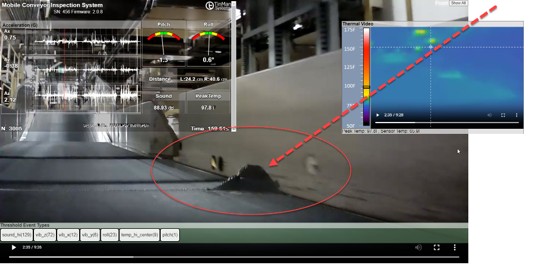
Torn Conveyor Belt
A torn belt can escalate into a full system stoppage, halting multiple zones and triggering costly recovery windows.
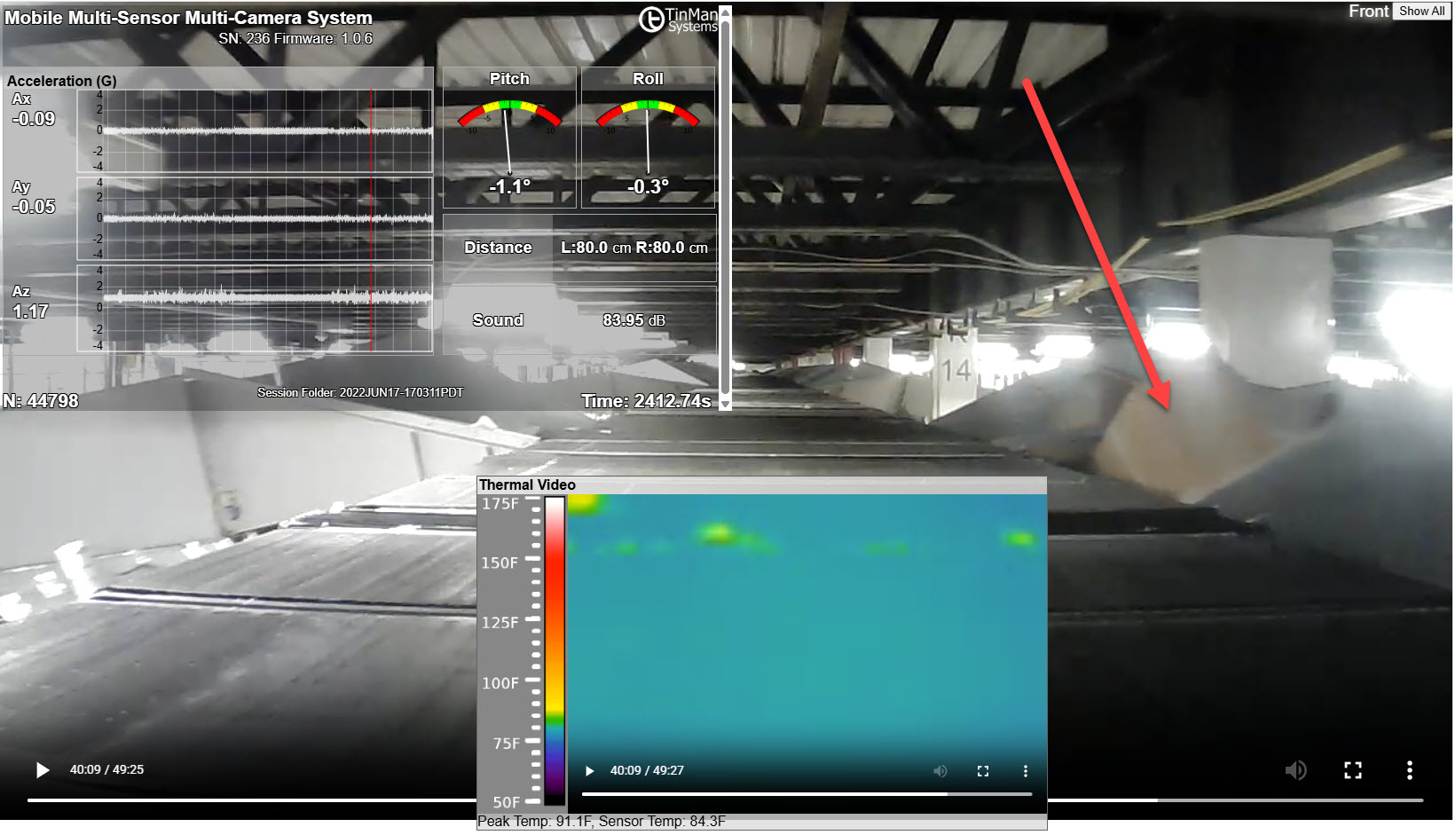
Stuck Package
Irregular items or polybags can stall at merges and transfers, causing jams, misroutes, and throughput loss during peak demand.
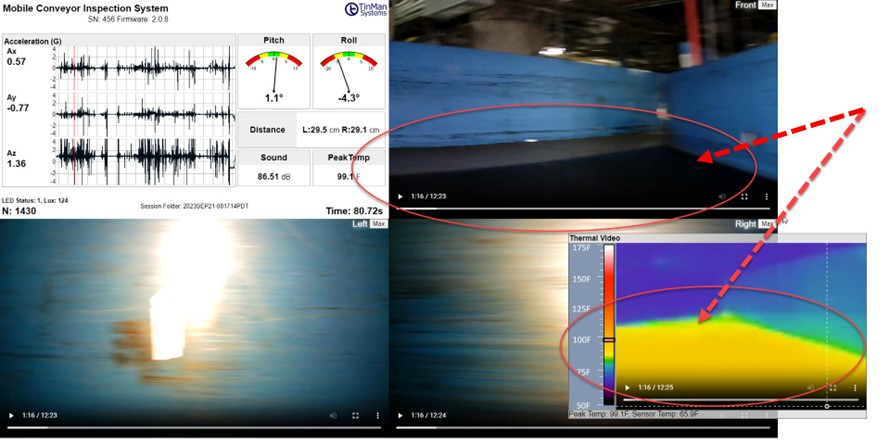
Overly Tensioned Transfer Belt
Excess belt tension increases friction, accelerates bearing wear, and raises motor load — shortening component life.
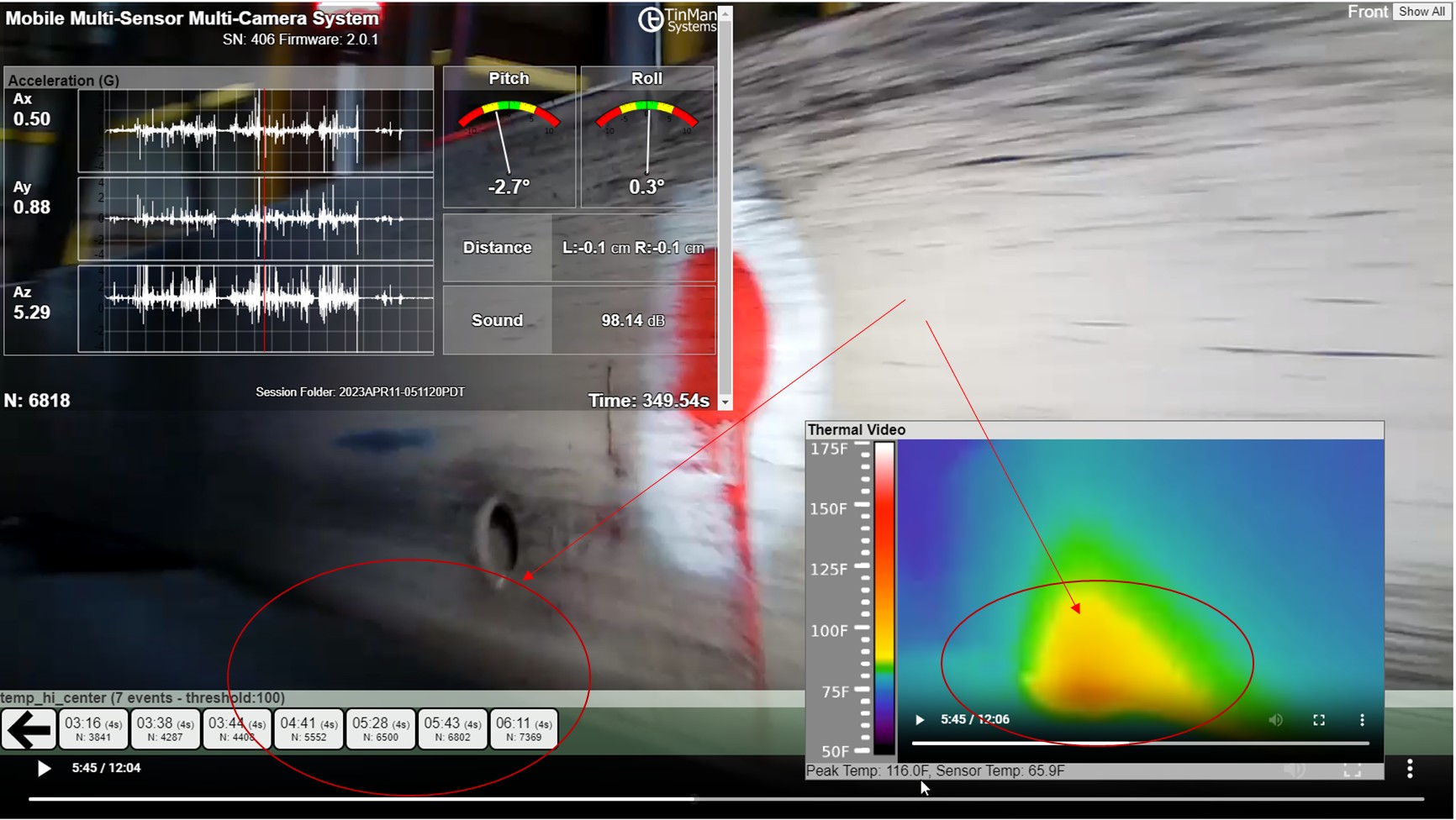
Overheating Motor
Rising motor temperatures signal mechanical drag or electrical imbalance, often preceding sudden motor failure.
Why Real-Time Sensing Matters
Logistics operations depend on consistency. A single jam, misaligned merge, or sorter issue can disrupt multiple client workflows, delay outbound shipments, or trigger costly recovery windows. TinMan’s real-time sensing platform captures vibration, thermal, acoustic, and positional data at high resolution — giving reliability teams early warning before throughput is impacted.
- Early detection of mechanical drift, wear, and component fatigue.
- Real-time visibility into conveyor and sorter behavior under variable load.
- AI-driven interpretation that identifies actionable issues, not raw data.
- Predictive maintenance that prevents SLA-impacting downtime.
- Improved throughput stability across multi-client, multi-SKU operations.